Flickering lights are more than a minor annoyance. They can hint at loose connections, overloaded circuits, or aging components that raise the risk of heat damage and fire. In Charlotte homes, especially in neighborhoods with mixed ages of housing stock like Dilworth, Plaza Midwood, and Ballantyne, the cause often ties back to how the electrical system was built, updated, or loaded over time. Understanding the pattern and context helps separate a simple dimmer issue from a hazard that deserves a licensed electrician.
What the Flicker Tells You
Short, occasional flickers during a major appliance start-up can be normal. A heat pump, dryer, or microwave draws a quick inrush of current. If the flicker lasts less than a second and happens only with that appliance, the service may be close to its load limits or the branch circuit shares too many devices.
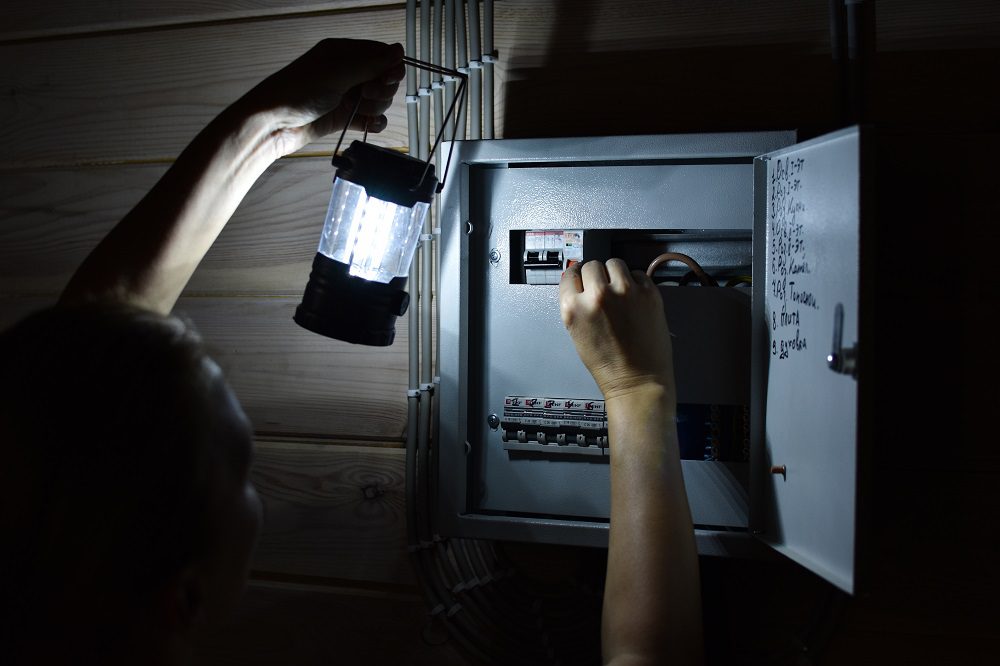
If lights pulse, dim and brighten, or flicker across several rooms, the problem is rarely a single bulb. That pattern points to a loose neutral, a weak connection in the panel, or a service issue at the meter or utility drop. This needs prompt attention. Heat builds at weak connections, and the failure often shows up first as a flicker.
Common Charlotte-Specific Causes
Homes from the 1950s to 1980s in Myers Park, Cotswold, and Matthews often use older panels and breaker types that struggle with today’s loads. Newer builds in Steele Creek and Highland Creek tend to have cleaner wiring but may pack more electronics and LED lighting on shared circuits. The cause usually lands in one of these buckets:
Bulb compatibility. Many LED bulbs do not play well with legacy dimmers. The bulb stutters, glows, or flickers at low settings. The fix is simple: use dimmer-rated LEDs and a dimmer listed for LED loads.
Loose lamp sockets. Vibration from ceiling fans or garage doors can loosen Edison-base connections. A bulb that flickers when touched often points here.
Overloaded circuits. Kitchens in SouthPark with dual refrigerators, espresso machines, and under-cabinet lighting often sit on old 15-amp circuits never intended for this load. The lights dip when a high-wattage appliance runs.
Weak neutral or service connection. If lights across multiple rooms dim when the HVAC kicks on, or if half the house gets brighter while the other half dims, the neutral could be compromised at the panel, meter can, or weatherhead.
Aging breakers and panels. Zinsco and Federal Pacific panels, still found in some Charlotte homes, are known for poor breaker performance. Breakers that fail to trip allow heat and arcing. Flicker plus a warm breaker face is a red flag.
Quick Checks a Homeowner Can Do
A homeowner can safely rule out a few simple issues before calling for electrical repair. Keep it light-touch and avoid opening panels.
- Swap the bulb with a new, dimmer-compatible LED from a known brand. Bypass the dimmer by setting it to full or turning it off and testing a different fixture on the same switch leg if possible. Test whether the flicker happens on more than one circuit by checking other rooms at the same time. Unplug high-wattage devices (space heaters, hair dryers, air purifiers) and see if the flicker changes. Note the timing: Does it coincide with the heat pump, well pump, dryer, or microwave starting?
If the flicker involves multiple rooms, if outlets or switches feel warm, or if there is a burning odor, stop and schedule a licensed electrician. Those symptoms suggest an issue beyond a bulb or dimmer.
Why Loose Neutrals Are a Big Deal
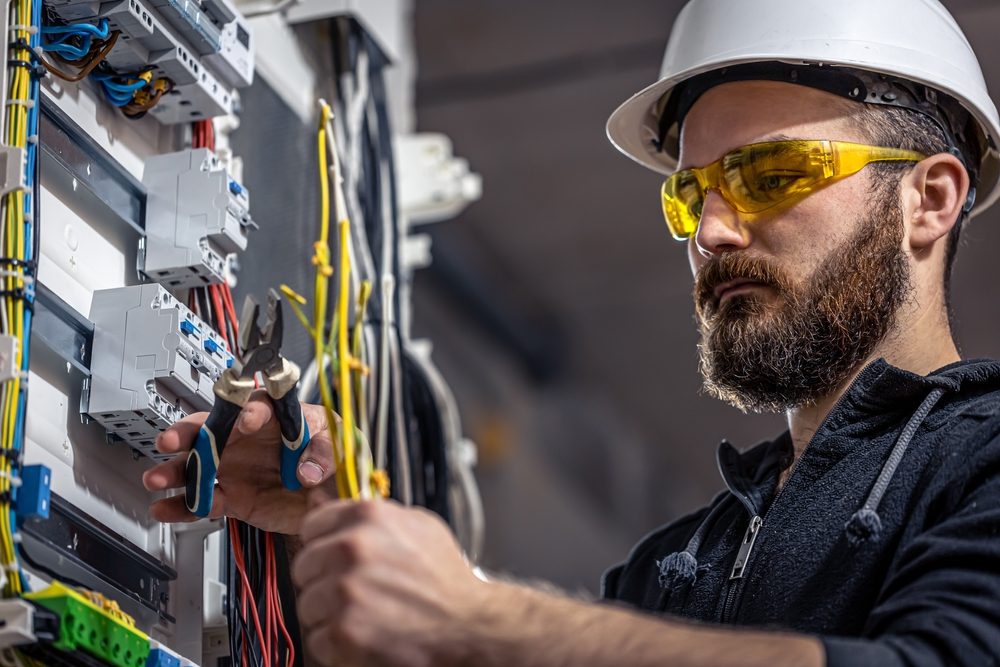
In split-phase residential service, a poor neutral creates uneven voltage between the two legs. One side can climb above 120 volts while the other drops. That makes lights surge brighter in one area and dim elsewhere. Electronics and LED drivers suffer first. Chargers fail, refrigerators click, and smart devices glitch. In Charlotte’s humid summers, expansion and contraction in meter cans and outdoor panels can loosen lugs over time. Neutral problems need a trained electrician to test under load and correct the termination points.
The LED and Dimmer Problem Explained
LEDs draw current differently than incandescent bulbs. A legacy dimmer chops the sine wave in a way that makes some driver circuits chatter. The symptom is a shimmer or a strobe at low dim levels. The fix is to pair a dimmer labeled for LEDs with bulbs listed as dimmable and compatible. In practice, it helps to choose one brand’s dimmer and bulb line. For kitchens and living rooms in South End condos, switching to a modern, low-end-trim dimmer often eliminates the flicker immediately.
Seasonal Patterns Across Mecklenburg County
Storms and utility work can cause brief sags. After a line crew completes repairs, voltage should stabilize. If flicker continues on calm days, the issue is likely on the customer side. Summer air conditioning loads also reveal weak connections. If lights dim every time the heat pump starts, a soft-start kit for the HVAC can help, but the electrical system still needs a check for conductor size, breaker condition, and terminations.
What a Professional Will Do on Site
A licensed electrician does more than swap parts. The process follows a logical sequence to locate the source quickly and safely.
- Observe the flicker under different loads and document which circuits are affected. Test voltage at the panel with and without heavy loads running to catch transient dips. Inspect the panel for heat discoloration, loose lugs, double-lugged neutrals, and outdated breakers. Check device boxes on the affected circuit for backstabbed connections, scorched insulation, or weak wire nuts. Verify dimmer and bulb compatibility, then test with a known-good lamp and dimmer.
This approach narrows the cause and avoids guesswork. Many flicker calls in Charlotte end with correcting a weak neutral termination or replacing a mismatched dimmer and bulb combination. Others uncover a bigger need, such as a subpanel addition for kitchen circuits or a service upgrade to 200 amps for EV charging and modern HVAC.
Repair Options and Typical Timeframes
Dimmer and bulb replacement takes under an hour per location. Re-terminating a neutral bus and torquing lugs, when accessible and safe, usually completes in one to two hours. Tracing a loose connection through a daisy-chained circuit can take two to four hours, depending on access and attic or crawlspace conditions. Panel replacement or service upgrades require permits and coordination with Duke Energy and usually span one to two days onsite after permit approval.
Pricing varies with scope, but homeowners should expect small fixes to land in the low hundreds and panel or service work in the low to mid thousands. A clear estimate after diagnosis prevents surprises.
Safety Notes from Field Experience
If a breaker feels hot to the touch, hums audibly, or trips repeatedly, leave it off and call for service. If flicker comes with a burning smell at a switch or outlet, do not use that circuit. Aluminum branch wiring, found in some 1960s and 1970s homes, needs special connectors rated for copper-aluminum splices. Standard wire nuts are not safe for that mix. Flooded crawlspaces and corroded junction boxes in older parts of NoDa and Wilmore can also cause intermittent problems and require both electrical and moisture remediation.
When a Service Upgrade Makes Sense
Homes adding an EV charger, second HVAC system, or hot tub often push a 100-amp service past a comfortable margin. Frequent dimming when large loads start is a sign. A 200-amp upgrade with a modern panel improves stability, makes space for AFCI and GFCI protection, and brings the system up to current code. For many Charlotte homeowners planning renovations, this is the moment to correct long-standing flicker issues rooted in undersized service or crowded panels.

Why Local Matters for Electrical Repair in Charlotte, NC
Local codes, utility practices, and housing stock shape reliable fixes. An electrician who works daily in Charlotte knows the quirks of specific neighborhoods, which panels commonly show up in inspections, and how Duke Energy schedules cutovers. For searches like electrical repair Charlotte NC, the goal is a team that responds quickly, diagnoses accurately, and explains options without jargon.
Ewing Electric Co serves homeowners across Charlotte, from Huntersville and Cornelius to Mint Hill and Waxhaw. The team shows up with compatible LED dimmers on the truck, thermal cameras for hot-spot checks, and torque tools to set lugs to manufacturer specs. That combination solves ewingelectricco.com electrical repair Charlotte flicker problems and reduces the chance they return.
Ready for Steady Lights Again?
If lights in your Charlotte home flicker beyond a quick appliance start-up, it is time for a professional look. Note where and when it happens, then schedule a visit. Ewing Electric Co provides prompt, code-focused electrical repair in Charlotte, NC, with clear pricing and practical options. Call or book online to restore steady light and protect your wiring, fixtures, and appliances.
Ewing Electric Co provides dependable residential and commercial electrical services in Charlotte, NC. Family-owned for over 35 years, we handle electrical panel upgrades, EV charger installation, generator installation, whole-home rewiring, and 24/7 emergency repairs. Our licensed electricians deliver code-compliant, energy-efficient solutions with honest pricing and careful workmanship. From quick home fixes to full commercial installations, we’re known for reliable service done right the first time. Proudly serving Charlotte, Matthews, Mint Hill, and nearby communities.
Ewing Electric Co
7316 Wallace Rd STE D
Charlotte,
NC
28212,
USA
Phone: (704) 804-3320
Website: https://ewingelectricco.com/ | Google Site
Social: Facebook | Instagram | Twitter
Map: View on Google Maps